


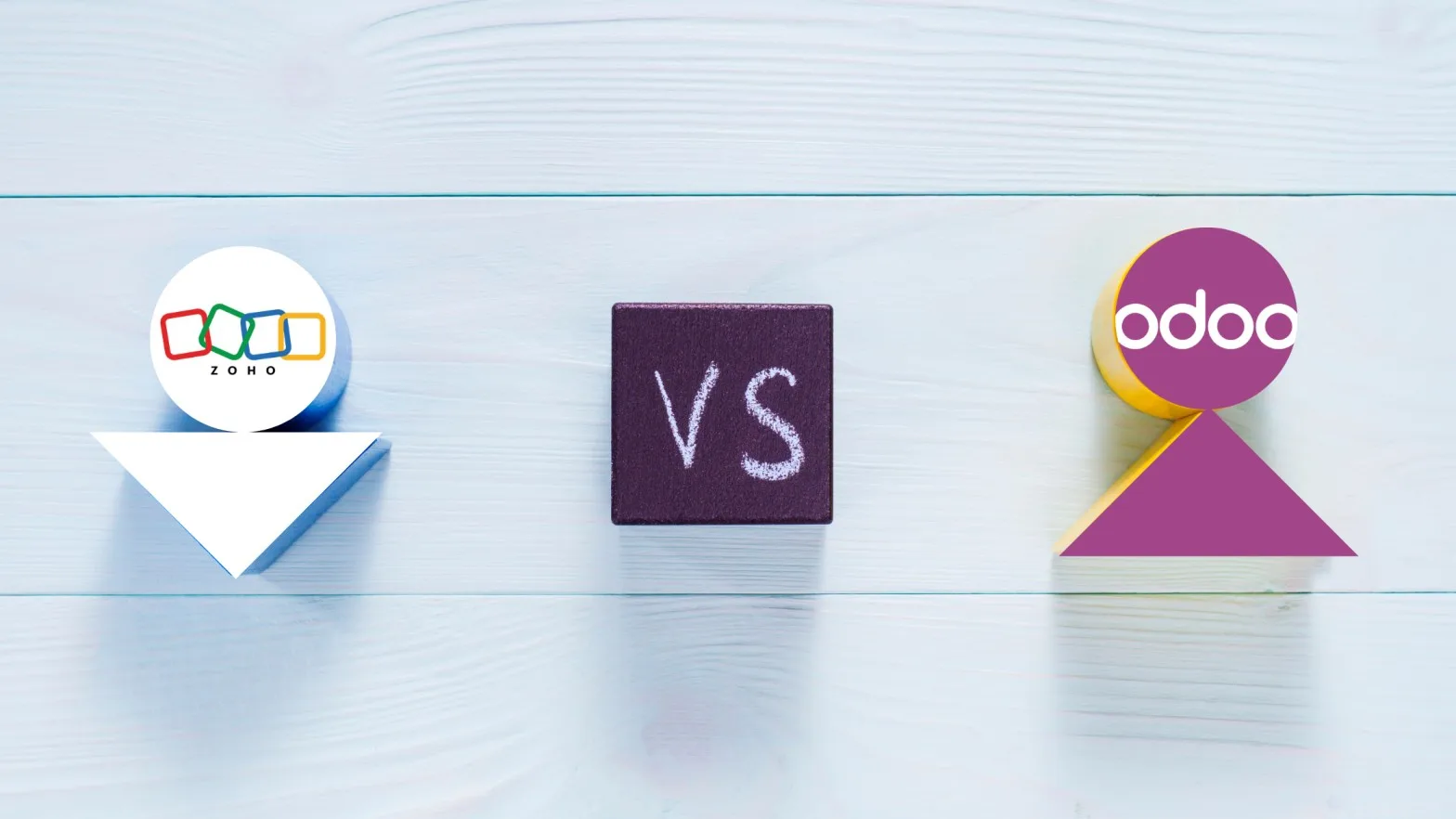
When it comes to selecting an all-in-one business management software, Odoo and Zoho are two prominent options that often come up in discussions. Both platforms offer a comprehensive suite of tools designed to manage operations, improve efficiency, and enhance productivity. They have distinct features, pricing models, and target audiences that can influence your decision.
Odoo is an open-source ERP (Enterprise Resource Planning) software that provides a wide array of integrated business applications. Its modular approach allows businesses to customize the software according to their specific needs, making it highly flexible and scalable.
Zoho, on the other hand, is a cloud-based suite of business applications that covers various aspects of business management, including CRM (Customer Relationship Management), finance, HR, and more. Zoho emphasizes ease of use and seamless integration between its apps, catering primarily to small and medium-sized enterprises (SMEs).
Key Differences
Customization and Flexibility
- Odoo: Known for its high level of customization, Odoo allows businesses to modify the source code and tailor the software to fit their unique requirements. This makes it a powerful solution for companies with specific needs that may not be met by out-of-the-box software.
- Zoho: While Zoho offers a wide range of applications that can be easily integrated, it is less customizable compared to Odoo. Zoho’s focus is more on providing ready-to-use solutions that are quick to implement.
Pricing
- Odoo: Odoo’s pricing can be complex due to its modular nature. The open-source community version is free, but it lacks some advanced features. The enterprise version, which includes additional functionalities and support, involves licensing fees based on the number of users and modules used.
- Zoho: Zoho employs a straightforward subscription-based pricing model. Users can choose from different plans based on the number of users and the specific applications they need. This model is typically more predictable and easier to budget for SMEs.
Implementation and Support
- Odoo: Implementing Odoo can be more challenging and time-consuming, especially for businesses that opt for extensive customization. However, Odoo partners and a large community of developers are available to assist with implementation and support.
- Zoho: Zoho is designed for quick deployment with minimal setup time. Its cloud-based nature eliminates the need for complex installations, and users can access a robust support system, including tutorials, customer service, and a network of certified consultants.
User Experience
- Odoo: The user experience in Odoo can vary depending on the level of customization. While it offers a broad range of features, the interface might be overwhelming for users without technical expertise. However, its flexibility allows businesses to create a tailored user experience.
- Zoho: Zoho is renowned for its user-friendly interface. The applications are designed to be intuitive, making it easy for users to navigate and perform tasks without extensive training. This simplicity is particularly beneficial for small businesses and teams with limited IT resources.
Integration and Ecosystem
- Odoo: Odoo’s modular system allows seamless integration between its apps and with third-party applications. The open-source nature encourages a thriving ecosystem of add-ons and plugins developed by the community.
- Zoho: Zoho offers a tightly integrated ecosystem of apps that work together harmoniously. Additionally, Zoho integrates with a wide range of third-party services and provides tools like Zoho Flow to facilitate automation and integration between different platforms.
Odoo and Zoho emerge as two formidable contenders
Both offer extensive features to streamline and enhance your business operations, but their distinct approaches and capabilities can significantly influence which is the right fit for your organization.
Customization and Flexibility
Pricing and Cost Structure
Implementation and Support
User Experience and Ease of Use
Integration and Ecosystem
Industry-Specific Solutions
Conclusion
Odoo’s high level of customization and flexibility makes it suitable for businesses with complex and unique requirements, especially those willing to invest in development and customization. Zoho, with its user-friendly, cloud-based approach, is ideal for SMEs seeking an integrated, easy-to-use solution with quick deployment.
When choosing between Odoo and Zoho, consider your business’s specific needs, budget, technical capabilities, and long-term goals. Evaluating these factors carefully will help you select the platform that will best support your business’s growth and operational efficiency.
Choosing between Odoo and Zoho ultimately depends on your business’s specific needs, resources, and long-term goals. If your business requires extensive customization, scalability, and is willing to invest time in implementation, Odoo could be the ideal choice. On the other hand, if you’re looking for an easy-to-use, cost-effective solution with quick deployment, Zoho might be the better fit.
Both Odoo and Zoho offer robust solutions that can transform your business operations. Carefully evaluate your requirements, budget, and technical capabilities to make an informed decision. Regardless of the choice, implementing an integrated business management system like Odoo or Zoho can significantly enhance your operational efficiency and drive business growth.